

Immune System Error: How Antibodies in Multiple Sclerosis Mistake Their Targets

Researchers at HSE University and the Institute of Bioorganic Chemistry of the Russian Academy of Sciences (IBCh RAS) have studied how the immune system functions in multiple sclerosis (MS), a disease in which the body's own antibodies attack its nerve fibres. By comparing blood samples from MS patients and healthy individuals, scientists have discovered that the immune system in MS patients can mistake viral proteins for those of nerve cells. Several key proteins have also been identified that could serve as new biomarkers for the disease and aid in its diagnosis. The study has been published in Frontiers in Immunology. The research was conducted with support from the Russian Science Foundation.
Multiple sclerosis (MS) is a disease in which the immune system mistakenly attacks the myelin sheath that surrounds nerve fibres. Myelin can be thought of like the insulation around electrical wires: when it deteriorates, signals between neurons are transmitted less effectively. This leads to difficulties with movement, vision, speech, and memory. The disease progresses in waves, with periods of exacerbation followed by remission; however, over time, the damage accumulates and may lead to disability. Diagnosing multiple sclerosis is challenging, as symptoms vary from patient to patient, and there are still no reliable biomarkers for a definitive diagnosis.
The causes of the immune system's malfunction are not yet fully understood, but scientists believe that viral infections may play a role. To gain deeper insight into the immune response in the disease, scientists from HSE University–St Petersburg and the Shemyakin–Ovchinnikov Institute of Bioorganic Chemistry of the Russian Academy of Sciences conducted a study comparing the antibodies of patients with multiple sclerosis to those of healthy individuals. The researchers used PhIP-Seq, a technology that identifies the antigens against which an individual already has antibodies.
Antigens are foreign molecules that trigger an immune response. They are found on the surfaces of bacteria, viruses, and other cells, prompting the immune system to respond by producing antibodies.
Antibodies are proteins produced by the immune system to combat antigens. Antibodies act like 'keys' that recognise and bind to 'locks'—antigens—in order to neutralise them or mark them for destruction by other immune cells.
PhIP-Seq not only identifies the antibodies but also determines which proteins they interact with. This enables the creation of a detailed profile of the immune response, revealing the specific targets the immune system is attacking.
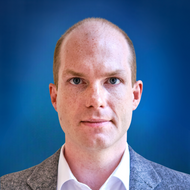
Igor Eliseev
'We selected about a thousand proteins capable of triggering an autoimmune response and fragmented them into small overlapping peptides—short chains of amino acids that make up proteins. Using genetic engineering, these peptides were then displayed on bacteriophages, with each phage presenting a specific peptide on its surface,' explains Igor Eliseev, Academic Supervisor of the Computational Biology and Bioinformatics Master's programme at the HSE Campus in St Petersburg. 'The modified phages were then added to the patients’ blood samples. If antibodies in the blood recognised specific peptides, they bound to the phages, forming complexes. Next, we extracted these complexes and analysed which proteins triggered the immune response.'
PhIP-Seq helped identify autoantibodies—antibodies that mistakenly target the body’s own proteins. The scientists found that in MS patients, the immune system reacts particularly strongly to the SPTAN1 protein, which plays a crucial role in the structure of nerve cells, as well as to the viral protein LMP1, which is associated with the Epstein–Barr virus (EBV). In patients with aggressive forms of MS, the immune response was even broader, with cross-reactivity causing the immune system to attack both viral proteins and the body’s own tissues. Put simply, the immune system behaved as though it were confusing viral proteins with the body’s own proteins.
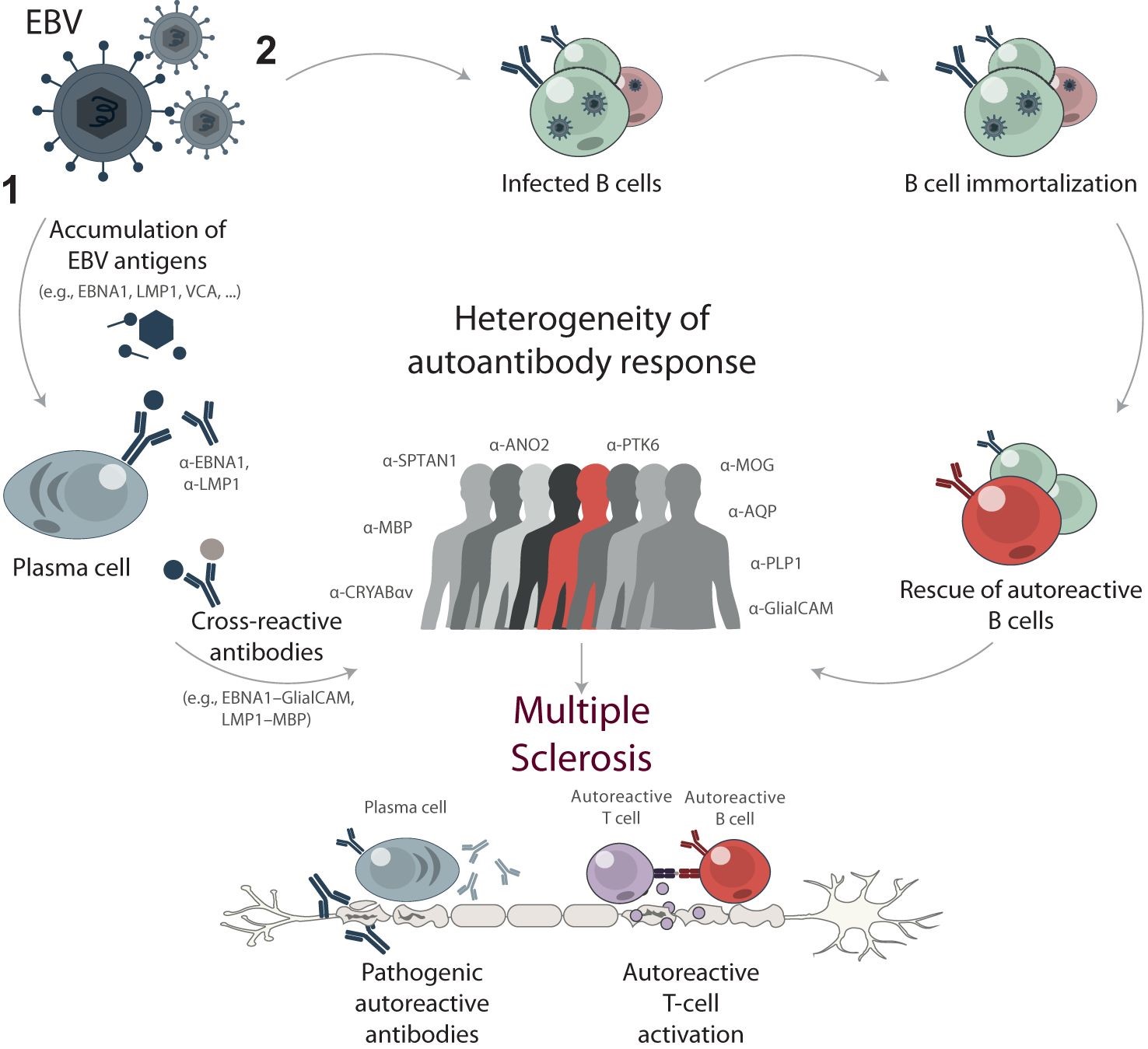
'Our study showed that autoimmune antibodies in multiple sclerosis respond to a broad range of proteins,' explains Yakov Lomakin, Project Head and Senior Research Fellow at IBCh RAS. 'This indicates reduced specificity: instead of precisely targeting one protein, the antibodies bind to various targets, making the immune response chaotic and destructive.'
During the experiment, the scientists tested whether a combination of several proteins could serve as a biomarker for the disease. They found that testing for four antigens—SPTAN1, PTK6, PRX (nervous system proteins), and LMP1 (an EBV protein)—can distinguish MS patients from healthy individuals with high accuracy. These findings can not only improve diagnosis but also pave the way for new treatment approaches, such as targeted therapies that block misguided immune responses.

Igor Eliseev
See also:

Researchers Develop Methodology to Assess the Quality of Legal Representation in Criminal Proceedings
Having a good defence attorney in criminal proceedings can largely determine whether a defendant retains their freedom, health and good name. Researchers at HSE University propose a method for predicting an attorney’s performance based on the outcomes of their previous cases. The methodology takes into account the severity of the charges, the complexity of the cases, and the most likely outcome, drawing on judicial statistics.
When Pictures Hinder Understanding: Illustrations May Impede Learning of Abstract Ideas
Illustrations can help remember specific actions but do not always make abstract ideas easier to learn. Researchers from HSE University and Humboldt University compared how people learn from texts with different levels of abstractness. They found that participants remembered illustrations better and performed better on related tasks after reading a multimedia text about yoga asanas than after reading an abstract text about the Nash equilibrium. The findings could help improve the selection of illustrations for educational and informational materials. The study has been published in Learning and Instruction.
HSE University to Develop Predictive Analytics System for Icebreaker Motors
Industrial automation is one of the key applications of artificial intelligence. A predictive analytics system for large electric motors is among the solutions being developed for the industry as part of HSE University’s Strategic Technological Project ‘Multi-Agent Platform of AI Solutions for Industry-Specific Tasks.’ What is predictive analytics, how can it improve the operation of electric motors, and what specialists joined forces to develop this technology? Anton Zarubin, Dean of the School of Computer Science, Physics, and Technology at HSE University–St Petersburg and the project development coordinator, explains in this interview with the HSE News Service.
Scientific Expedition to Hainan: HSE Scientists Organise Conference on Statistical AI in China
The Statistical AI Conference was held in Sanya, Hainan Island, China, from 24 to 28 August 2026. The international event brought together leading experts in statistics, machine learning, and applied AI. Alexey Naumov, Director of the AI and Digital Science Institute at the HSE Faculty of Computer Science, and Sergey Samsonov, Head of the International Laboratory of Stochastic Algorithms and High-Dimensional Inference, were among the conference organisers.
How to Assess Students’ Knowledge in the Age of AI
A researcher at HSE University has proposed a flowchart to help lecturers decide how to assess students who use artificial intelligence. It shows where the use of AI should be restricted and where it can be incorporated into the learning process. The article has been published in IT Professional.
5th Fall into ML Conference to Bring Together Leading AI Researchers
The AI and Digital Science Institute at the HSE Faculty of Computer Science invites researchers, developers and everyone shaping the future of technology to the fifth, anniversary edition of the Fall into Machine Learning conference (Fall into ML 2026). The event will take place on October 23–24, 2026, at the HSE Cultural Centre in Moscow and will become the key meeting point for Russia’s AI community.
HSE University Expands Cooperation with Malaysia in Technology Foresight
HSE University researchers will take part in a study of the future of engineering education in Malaysia, while the Malaysian Industry-Government Group for High Technology (MIGHT) will use the iFORA big-data analysis system to validate the findings of its foresight research. These are the outcomes of a visit by HSE representatives to Kuala Lumpur.
Scientists Train Neural Network to Generate Process Plans from 3D Models
Researchers at the HSE FCS AI and Digital Science Institute have developed CAD2TechSpec, a framework that converts 3D models of mechanical parts into machining process plans—step-by-step instructions for machine tools. The solution aims to reduce the time required for the design and preparation of technical process documentation in mechanical engineering, aircraft manufacturing, and other high-tech industries. The study findings have been published in PeerJ Computer Science.
Biologists Discover 'Molecular Fingerprint' of Preeclampsia
Researchers at HSE University employed a new method to model hypoxia in placental cells during pregnancies complicated by preeclampsia and identified molecular markers of tissue hypoxia. Since hypoxia is one of the key mechanisms underlying preeclampsia, these findings are important for a more accurate and timely diagnosis of the disease and for the development of effective treatment methods. The paper has been published in Placenta.
Laboratory of Future Networks: HSE Telecommunications Research Institute Develops 5G/6G Research Testbed
The 5G/6G testbed at the HSE Telecommunications Research Institute is becoming a research platform, an educational laboratory, and a foundation for developing new software components for future networks. It makes it possible not only to observe how a mobile network operates, but also to change its operating conditions and measure the results: data-transmission speed, latency, errors, radio-resource utilisation, and other parameters. Based on the testbed, researchers plan to develop MIMO, O-RAN, xApp, and IAB technologies, as well as experiment with artificial intelligence.